Price: £350
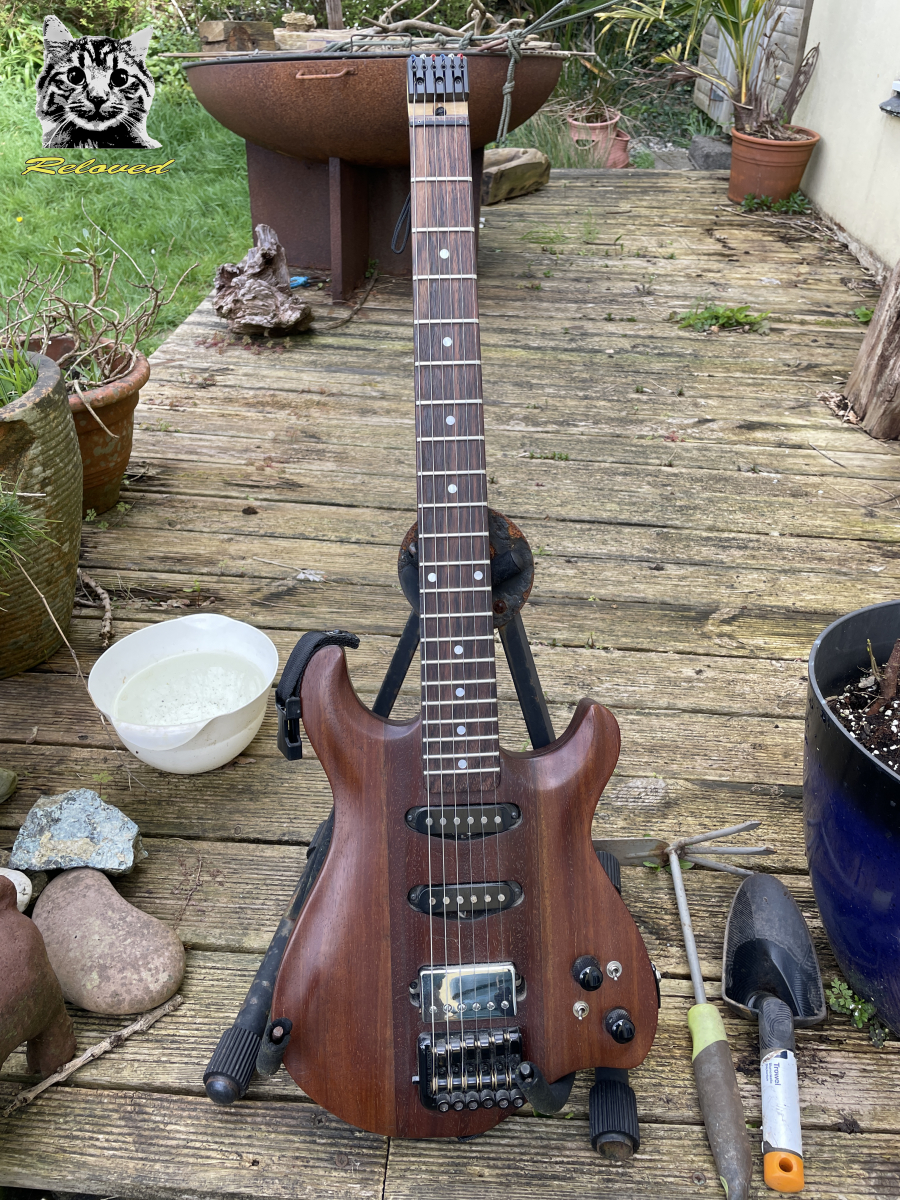
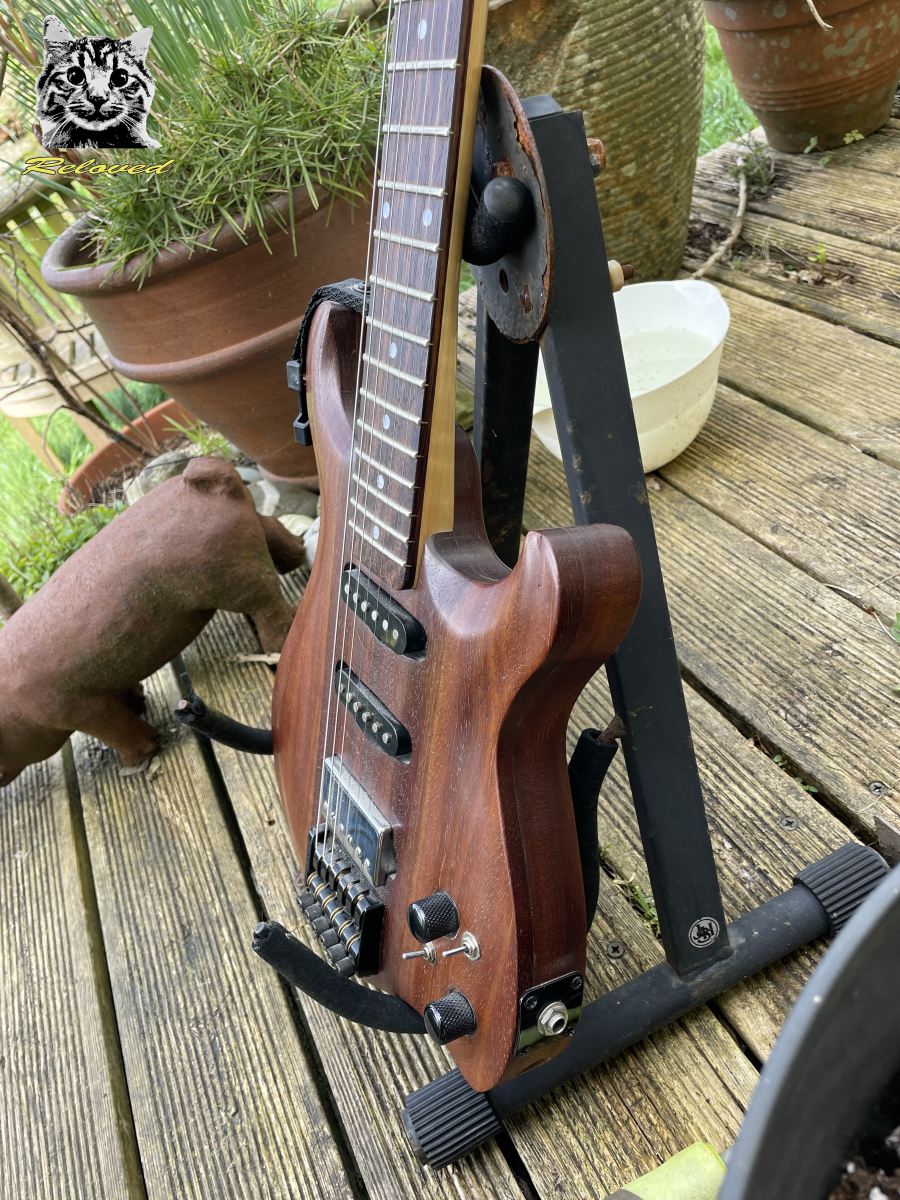
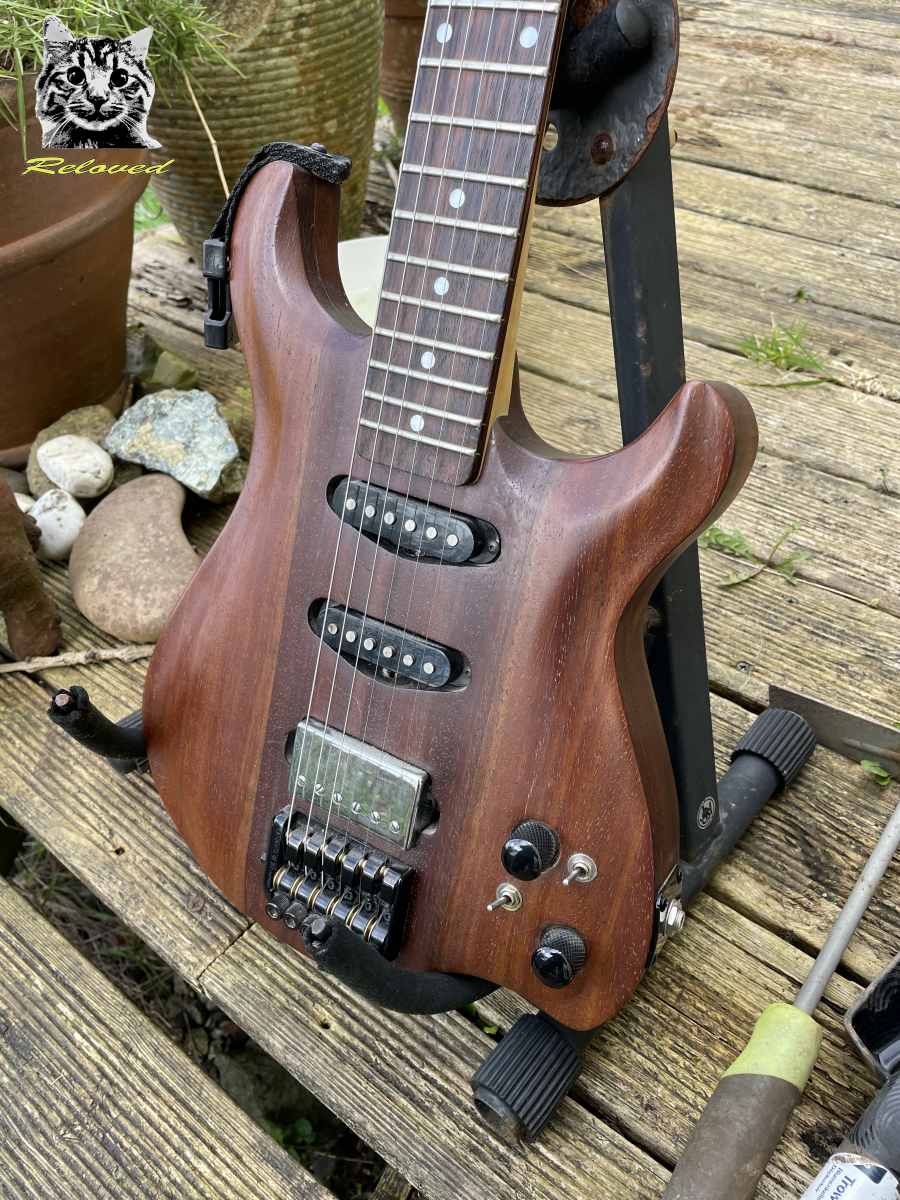
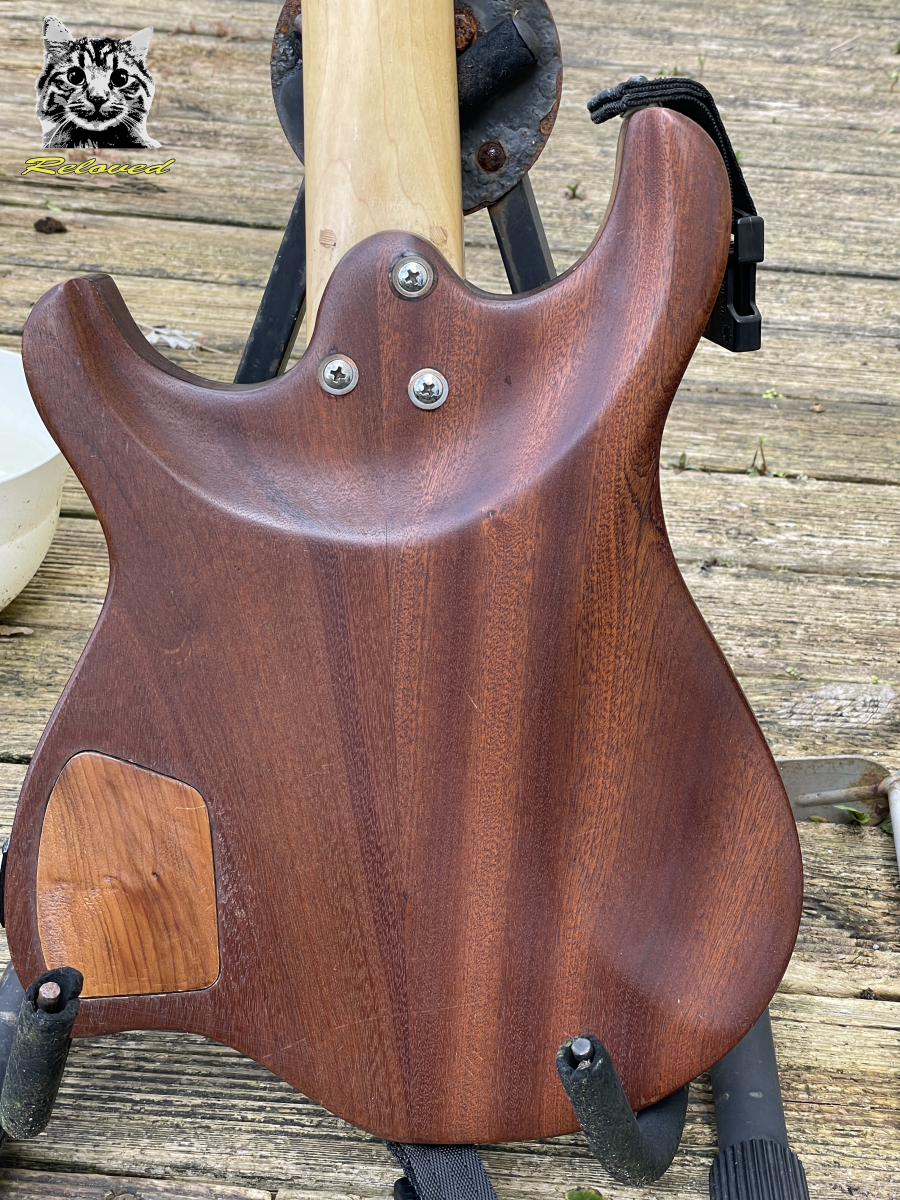
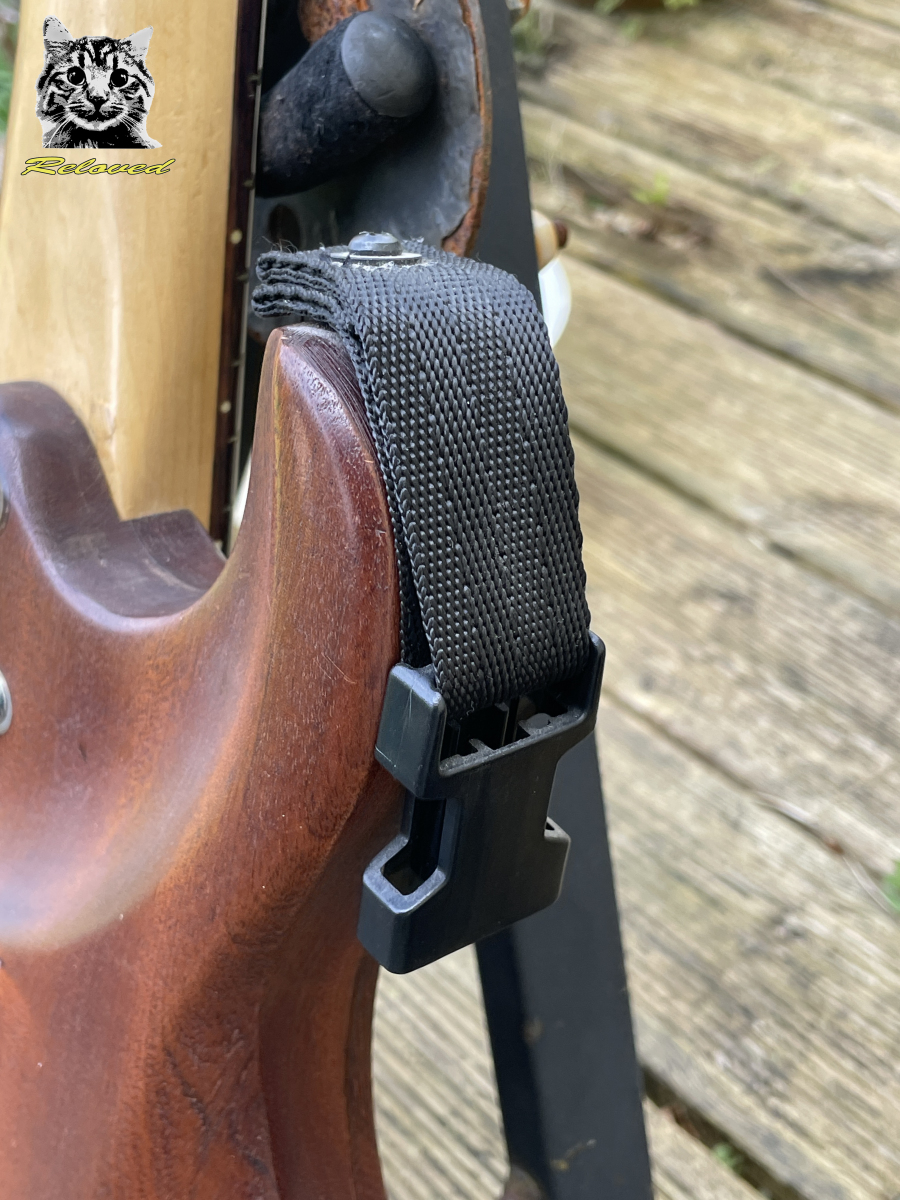
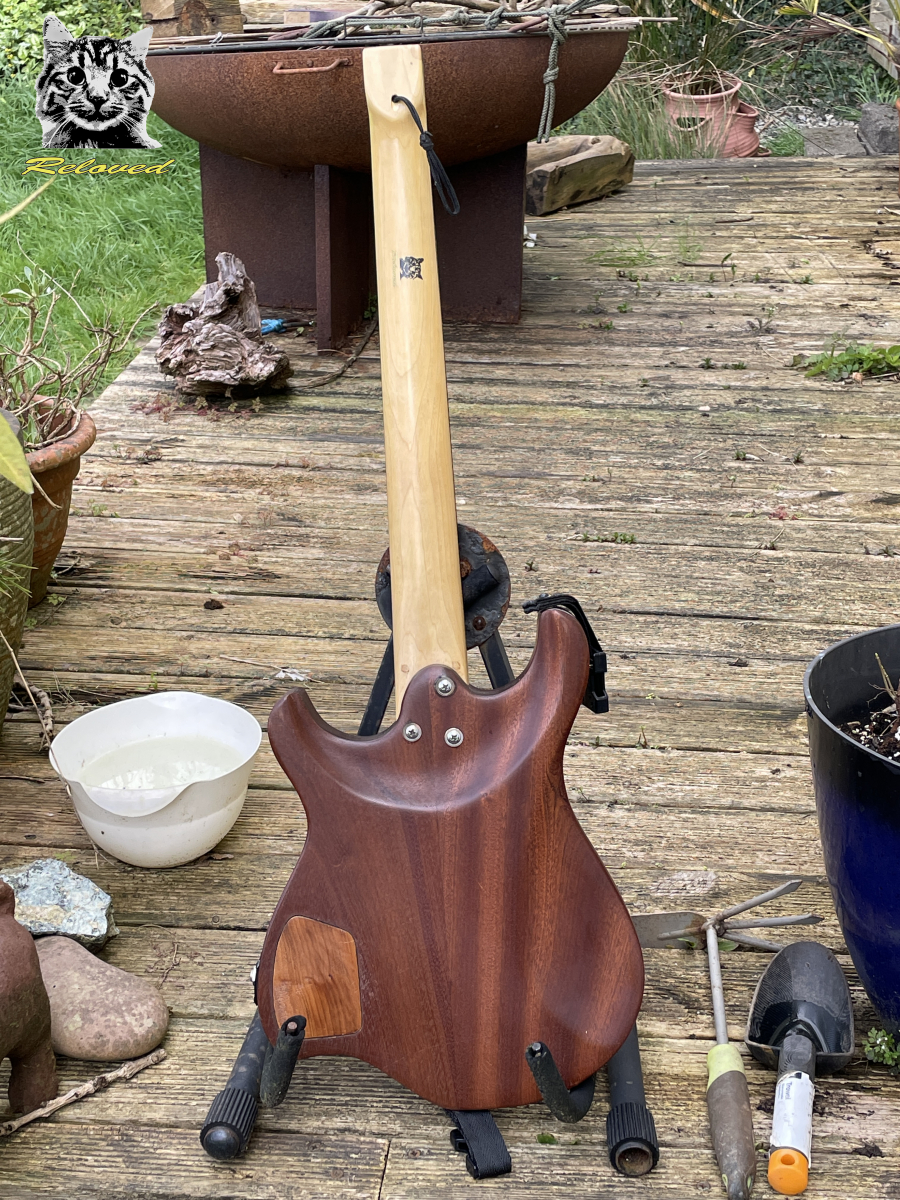
This guitar was build alongside a customer commission in which the overall shape and design were developed. The style emerged from a range of ‘Oakcaster’ guitars, small but weighty, single- and double-cut travel guitars featuring a mix of headstocks and headless tuning set ups. The Oakcasters gave way to the Trekkis whose name is a combination of ‘Travel’ and the salvaged ultra-hard wood that I used in the builds, ‘Ekki’. Designed for gigging musicians who travel to their gigs, this is a guitar that used to fit in an overhead bin (without dismantling) but can have the neck removed easily for ultra-compact convenience. The neck pocket / heel fit and bolting is very snug and dependable meaning that the guitar always goes right back to its playing set up on re-assembly at your destination.
The Trekki idea was a guitar that suited any environment, from the sofa to the hammock to the evening function band… Weighty, thanks to the Ekki timber, full-scale (648mm) and fully-functioning (single coils and humbuckers) – confidence-inspiring tool for any situation.
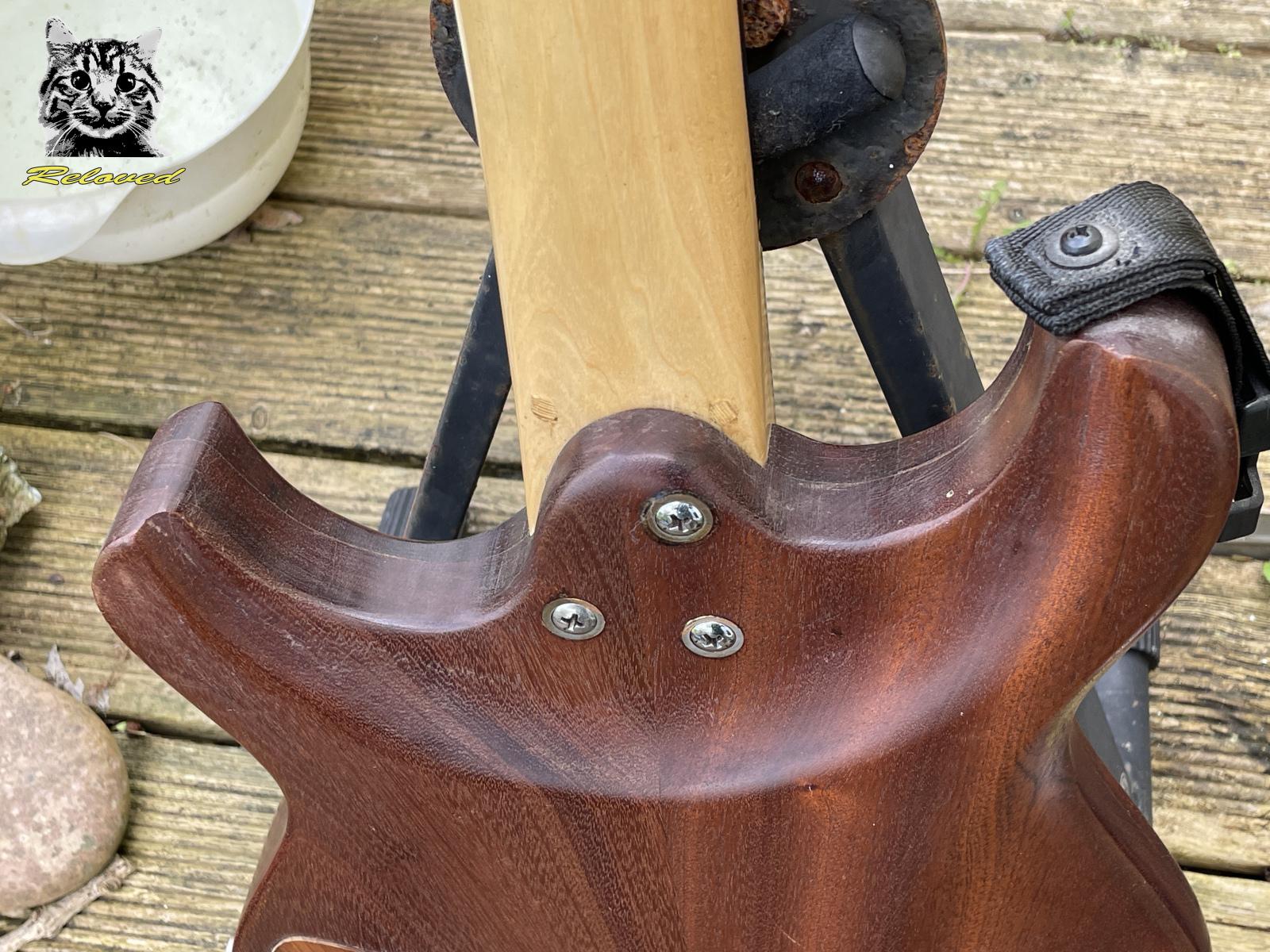
This Trekki features 3 neck bolts; all later models have 2 x M8 neck bolts with threaded inserts and anodised aluminium washers to secure the joint and make removal extra simple.
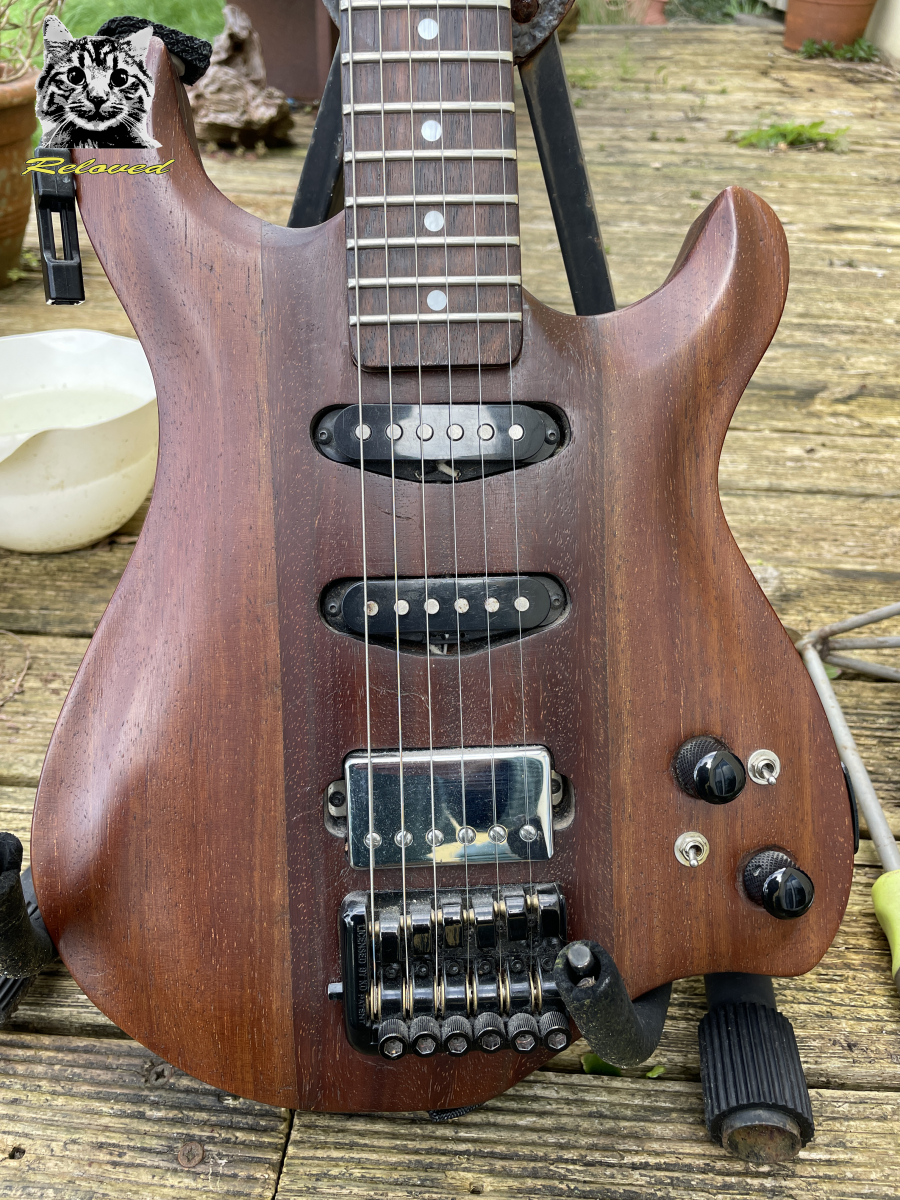
The bridge pickup is an IronGear Blues Engine, the middle is a dummy coil linked to the neck single coil. The dummy coil allows you to use the neck single coil in high gain settings and removes the noise that otherwise might be there.
There is a coil-split switch for the humbucker and a 3 way switch to select between neck and bridge.
The guitar features a tried-and-tested and totally stable Chinese-made headless tuning block. Despite being ‘budget’ priced (and looked down on by many builders) this unit has killer advantages and incredible tuning stability which, for me, totally outweighs any snobbery about the brand or construction. I’ve used this bridge now on well over a dozen builds and my customers and I find it totally dependable, especially where tuning stability in a gig environment is concerned. I can play a 3h gig with the guitars I have this bridge fitted to and they will remain in tune throughout; needing just a quick check at the halfway point. Later versions separated the tuner drums from the saddles which, in my view, was a great development because it allowed me to retain what was really best about this bridge (the drum-based tuning units) and to ditch the fiddlier part (the bridge saddles) in favour of any number of more conventional two-post style bridges (Tune-o-matic and similar).
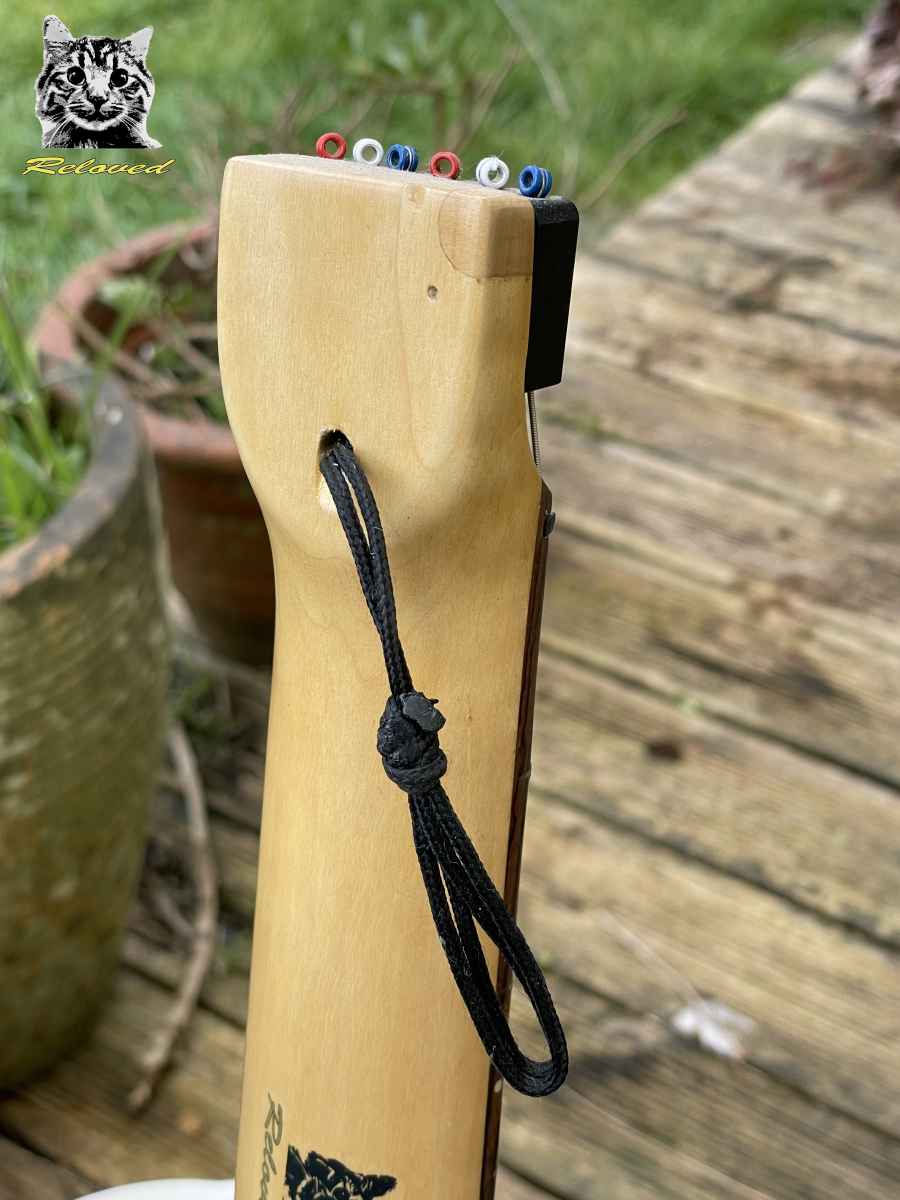
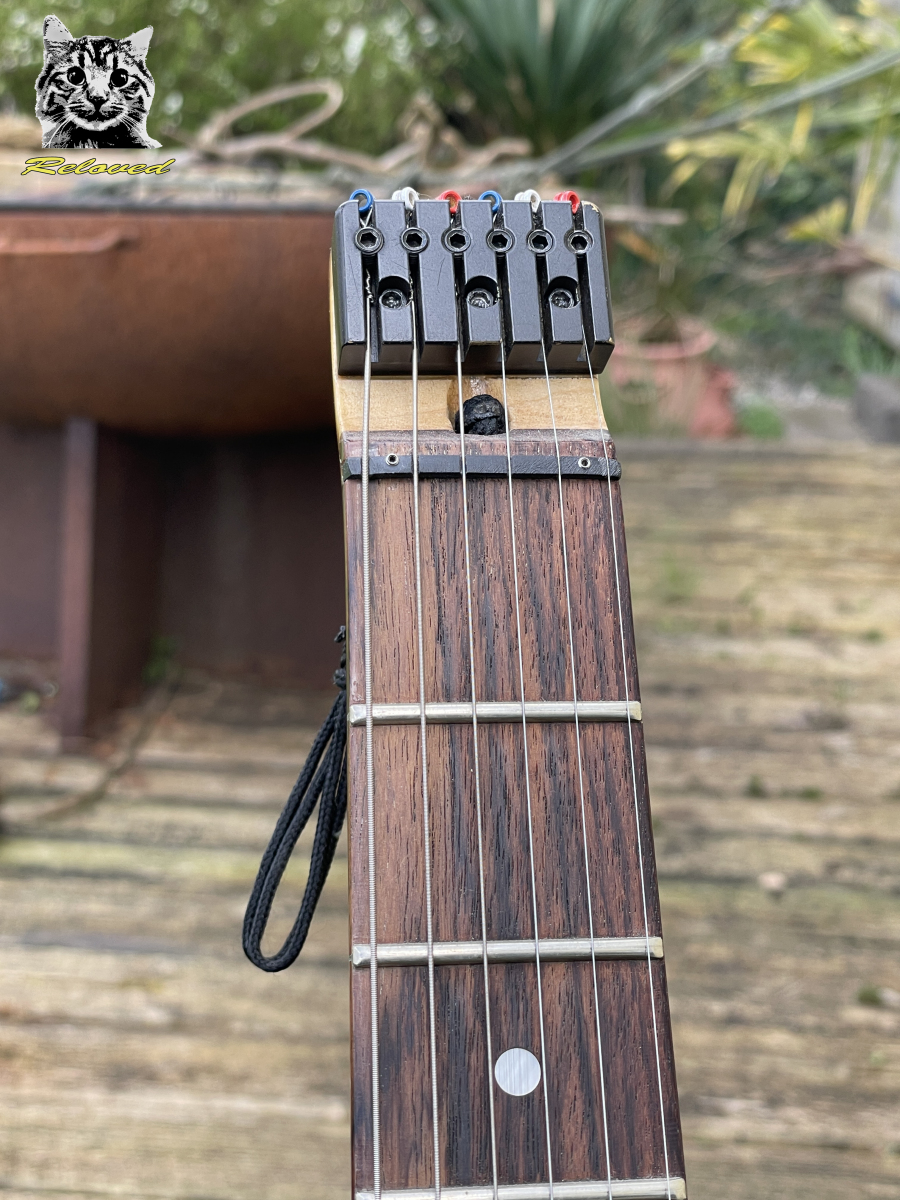
The neck on this guitar is an up-cycled neck that I re-fretted and re-finished. The headpiece is a hipshot unit (in reality, overly complicated and over-priced for what is needed, thanks to the drum-winding bridge mechanism).